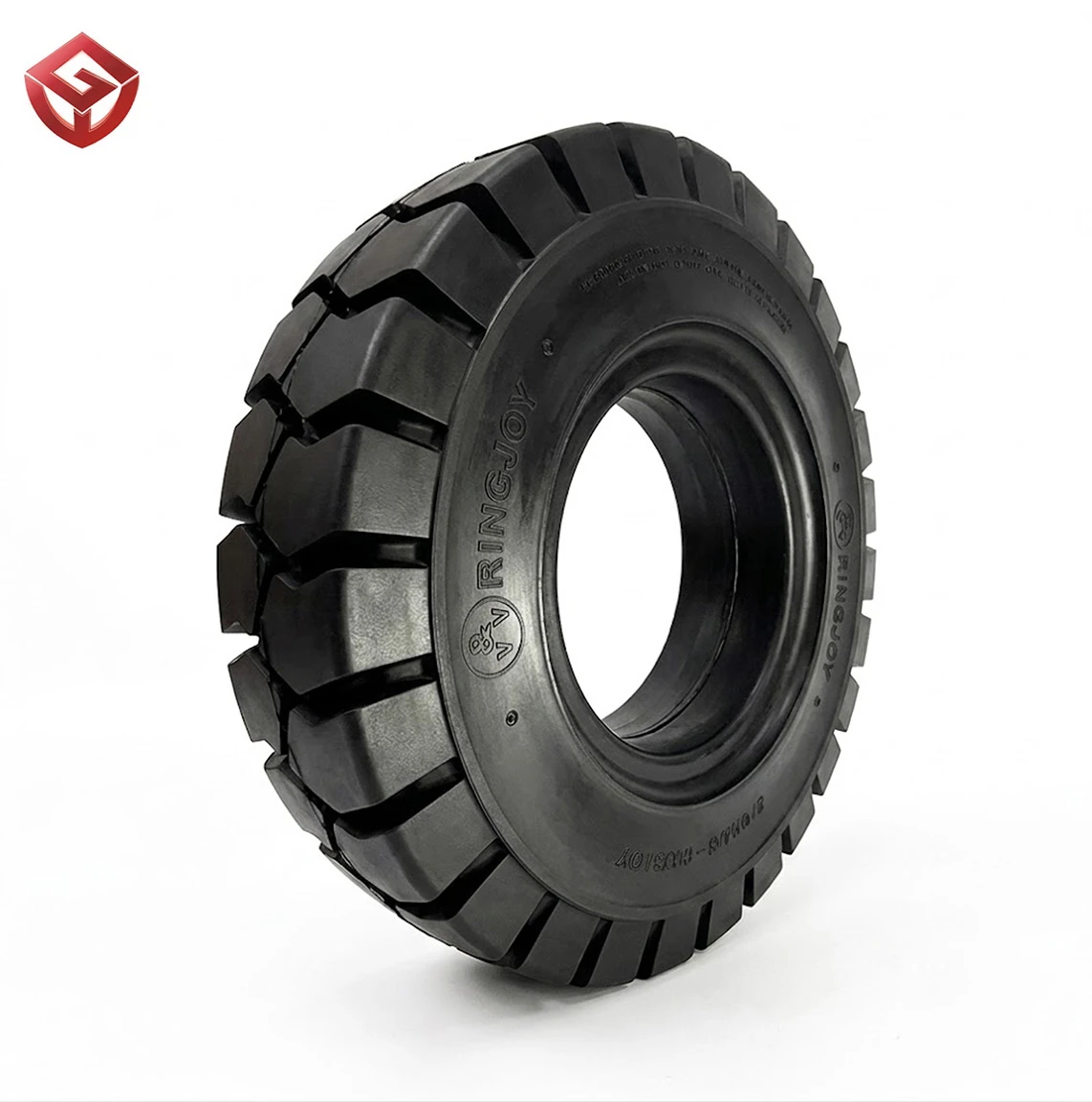
Choose the correct pressure according to the instruction manual; generally, around 2.5 MPa is sufficient.
Tire pressure is crucial for tire health; both excessively high and low pressure will shorten tire lifespan. Low pressure increases tire deformation, making the sidewalls more prone to cracking. It also causes flexing, leading to excessive heat, accelerated rubber aging, ply fatigue, and cord breakage. Furthermore, it increases the tire's contact patch, accelerating shoulder wear.
High pressure causes excessive stretching and deformation of the tire cords, reducing tire elasticity and increasing the load on the vehicle during driving. This can lead to internal cracks and blowouts upon impact. High pressure also accelerates tread wear and reduces puncture resistance.