

Hey there! As a supplier of Solid Cushion Forklift Tires, I often get asked about the weight of these tires. It's a pretty important factor, whether you're looking to replace old tires or just curious about the specs. So, let's dive right in and explore what the weight of solid cushion forklift tires really means.
First off, what are solid cushion forklift tires? Well, they're exactly what they sound like - solid rubber tires designed for forklifts. Unlike pneumatic tires, which are filled with air, solid cushion tires offer a lot of advantages. They're puncture-proof, more durable, and can handle heavy loads like a champ. And because they're solid, they don't go flat, which means less downtime for your forklift.
Now, back to the weight. The weight of solid cushion forklift tires can vary quite a bit depending on several factors. One of the biggest factors is the size of the tire. Larger tires are generally heavier because they require more rubber to manufacture. For example, a smaller forklift tire might weigh around 50 - 70 pounds, while a larger one could tip the scales at over 200 pounds.
Another factor that affects the weight is the material used. Most solid cushion forklift tires are made from high - quality rubber, but the type of rubber can vary. Some rubbers are denser than others, which means they'll add more weight to the tire. Durable, high - performance rubbers are often used in industrial settings where the tires need to withstand a lot of wear and tear. These types of tires might be a bit heavier but offer longer service life.
The construction of the tire also plays a role. Some tires are made with a single layer of rubber, while others have multiple layers. Tires with multiple layers are usually more robust and can handle more stress, but they're also heavier. For instance, a multi - layer tire might be used in a busy warehouse where forklifts are constantly on the move, carrying heavy loads.
Let's talk about why the weight of these tires matters. For starters, the weight of the tire affects the overall performance of the forklift. A heavier tire can provide more stability, which is crucial when you're lifting and moving heavy loads. It helps to keep the forklift balanced and reduces the risk of tipping over. On the other hand, if the tire is too heavy, it can put extra strain on the forklift's suspension and drivetrain, which could lead to increased maintenance costs and a shorter lifespan for the forklift.
The weight of the tire also impacts fuel efficiency. A heavier tire requires more energy to move, which means the forklift has to work harder and use more fuel. This is something to consider, especially if you're running a large fleet of forklifts. You want to find a balance between a tire that's heavy enough for stability but not so heavy that it eats up too much fuel.
Now, let's take a look at some specific types of solid cushion forklift tires and their weights. For the Explosion Proof Industrial Tire, these are designed for use in hazardous environments. They're usually made with special rubber compounds that are resistant to sparks and heat. Due to the additional safety features and the quality of the rubber used, these tires can be on the heavier side, often weighing over 150 pounds depending on the size.
Similarly, the Explosion Proof Forklift Tire has similar weight characteristics. These tires are engineered to meet strict safety standards, and the extra weight comes from the materials and construction needed to ensure explosion - proof performance. They're a great choice for industries like chemicals or mining where safety is paramount.
If you're looking for Rubber Forklift Tires, the weight can vary widely. These are the most common type of solid cushion forklift tires and are used in a variety of applications. Smaller rubber forklift tires might weigh around 60 - 80 pounds, while larger ones can be 150 pounds or more. The weight depends on the specific size and the grade of rubber used.
The 6.50 10 Solid Forklift Tire is a popular size for many forklifts. It typically weighs between 80 - 100 pounds, making it a good balance between stability and maneuverability. This size is often used in medium - duty applications where the forklift needs to handle moderate loads.
And then there's the 200/50 - 10 Solid Rubber Forklift Tire. This tire is a bit smaller and lighter, usually weighing around 50 - 70 pounds. It's a great option for smaller forklifts or applications where space is limited.
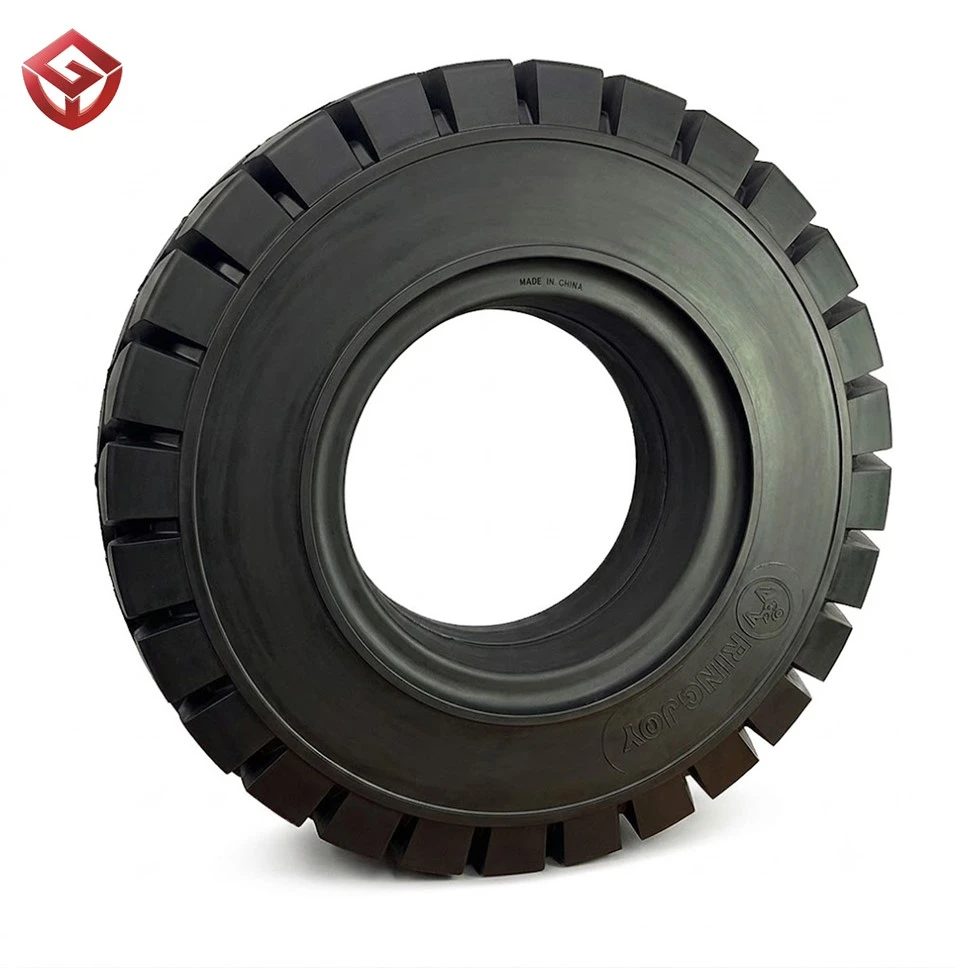
So, how do you choose the right solid cushion forklift tire based on weight? Well, it all comes down to your specific needs. If you're working in a high - traffic warehouse with heavy loads, you'll probably want a heavier, more durable tire. But if you're using a forklift in a smaller area or for lighter loads, a lighter tire might be a better choice.
It's also important to consider the forklift's specifications. Make sure the tire you choose is compatible with the forklift's weight capacity and suspension system. You don't want to overload the forklift or cause unnecessary wear and tear.
If you're still not sure which tire is right for you, don't hesitate to reach out. We're here to help you make the best decision for your forklift and your business. Whether you need advice on tire weight, size, or any other aspect of solid cushion forklift tires, we've got the expertise.
In conclusion, the weight of solid cushion forklift tires is an important factor that can impact the performance, safety, and efficiency of your forklift. By understanding the factors that affect tire weight and how it relates to your specific needs, you can choose the right tire for your application. Remember, we're a reliable supplier of Solid Cushion Forklift Tires, and we're ready to assist you in finding the perfect tires for your forklifts. If you're interested in purchasing or just want to learn more, feel free to contact us for a detailed discussion and to start the procurement process.
References
- Forklift Tire Handbook: A Guide to Understanding Forklift Tires and Their Applications
- Industrial Tire Manufacturer's Manuals
