

As a supplier of Off Road Forklift Tires, I've witnessed firsthand the significant impact that tire wear can have on both the performance of off-road forklifts and the bottom line of businesses. Understanding the factors that affect the wear of off-road forklift tires is crucial for ensuring optimal tire performance, extending tire lifespan, and reducing operational costs. In this blog, I'll delve into the key factors that influence tire wear and provide insights on how to mitigate their effects.
1. Operating Conditions
The operating conditions under which off-road forklifts operate play a major role in tire wear. Rough and uneven terrains, such as construction sites, mines, and agricultural fields, can cause excessive wear on tires. Sharp rocks, debris, and abrasive surfaces can cut into the tire tread, leading to punctures, cuts, and premature wear. Additionally, extreme temperatures, both hot and cold, can affect the tire's rubber compound, causing it to harden or soften, which can also lead to increased wear.
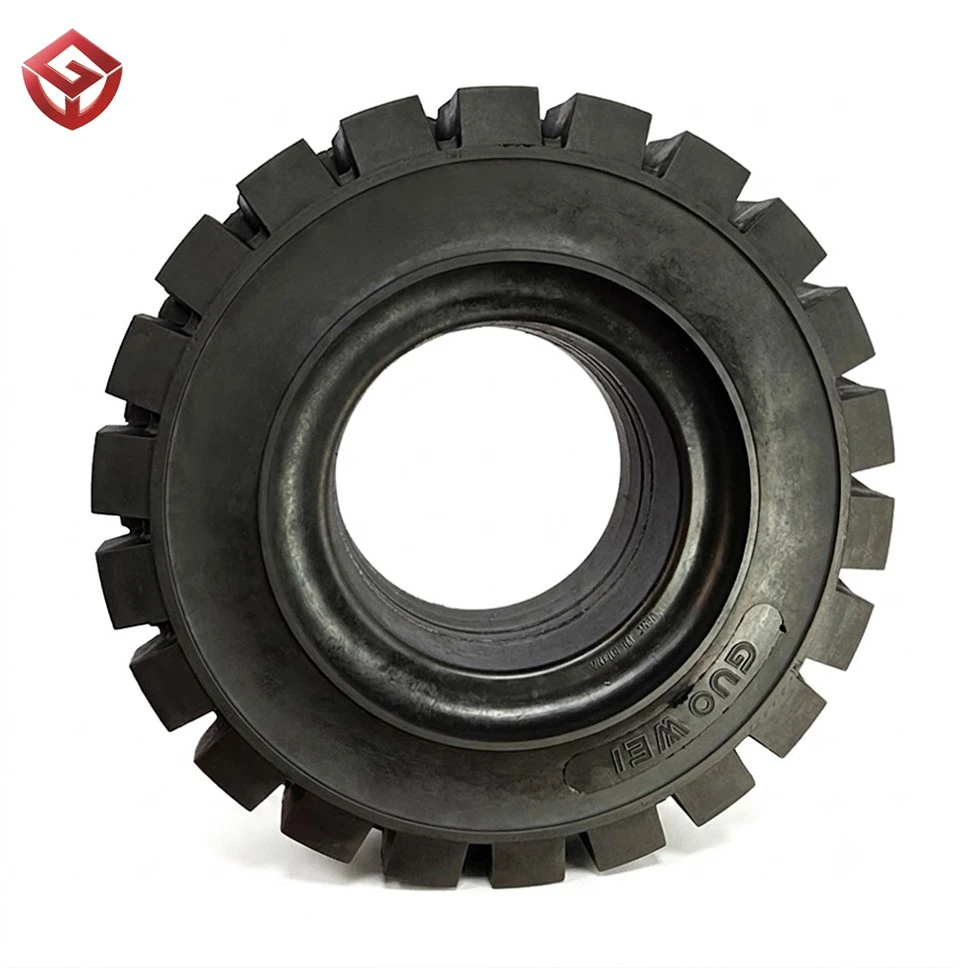
- Terrain Type: Different terrains present unique challenges to off-road forklift tires. For example, muddy or sandy terrains can cause tires to slip and spin, leading to accelerated wear. On the other hand, rocky or gravelly terrains can cause cuts and abrasions on the tire tread. To minimize wear on different terrains, it's important to choose the right type of tire. For instance, Rough Terrain Forklift Tires are specifically designed to handle the challenges of rough and uneven terrains, with deep treads and durable rubber compounds that provide excellent traction and resistance to cuts and punctures.
- Temperature: Extreme temperatures can have a significant impact on tire wear. In hot weather, the tire's rubber compound can become soft and more prone to wear. This can lead to excessive tread wear, as well as problems with tire blowouts. In cold weather, the rubber can harden, reducing its flexibility and grip. This can make the forklift more difficult to control and increase the risk of accidents. To mitigate the effects of temperature on tire wear, it's important to choose tires that are designed to withstand a wide range of temperatures. Additionally, it's important to monitor tire pressure regularly, as tire pressure can change with temperature.
2. Load and Usage
The load capacity and usage patterns of off-road forklifts also play a crucial role in tire wear. Overloading a forklift can put excessive stress on the tires, causing them to wear out more quickly. Similarly, frequent starts, stops, and turns can also increase tire wear, as they put additional strain on the tires.
- Load Capacity: Each off-road forklift tire has a specific load capacity rating. Exceeding this rating can cause the tires to wear out prematurely and increase the risk of tire failure. It's important to ensure that the forklift is not overloaded and that the load is evenly distributed across all four tires. This will help to ensure that the tires wear evenly and last longer.
- Usage Patterns: Frequent starts, stops, and turns can cause excessive wear on tires. When a forklift accelerates or decelerates quickly, the tires are subject to high levels of stress, which can cause the tread to wear down more quickly. Similarly, sharp turns can cause the tires to scrub against the ground, leading to uneven wear. To minimize the impact of usage patterns on tire wear, it's important to operate the forklift smoothly and avoid sudden movements. Additionally, it's important to rotate the tires regularly to ensure even wear.
3. Tire Maintenance
Proper tire maintenance is essential for ensuring optimal tire performance and extending tire lifespan. Regular maintenance tasks, such as checking tire pressure, inspecting tire tread depth, and rotating tires, can help to identify and address potential issues before they become major problems.
- Tire Pressure: Maintaining the correct tire pressure is crucial for ensuring optimal tire performance and reducing tire wear. Underinflated tires can cause excessive heat buildup, which can lead to tire failure. Overinflated tires, on the other hand, can cause the center of the tread to wear out more quickly. It's important to check tire pressure regularly and ensure that it is within the manufacturer's recommended range.
- Tread Depth: The tread depth of a tire is an important indicator of its remaining lifespan. As the tread wears down, the tire's ability to provide traction and grip is reduced, increasing the risk of accidents. It's important to inspect tire tread depth regularly and replace tires when the tread depth reaches the minimum recommended level.
- Tire Rotation: Rotating the tires regularly can help to ensure even wear and extend tire lifespan. By moving the tires from one position to another, the wear is distributed more evenly across all four tires. This can help to prevent premature wear on individual tires and ensure that the tires last longer.
4. Tire Quality
The quality of the off-road forklift tires you choose can also have a significant impact on tire wear. High-quality tires are typically made from better materials and are designed to withstand the rigors of off-road use. They are also more likely to have features such as deep treads, reinforced sidewalls, and puncture-resistant compounds, which can help to reduce tire wear and increase tire lifespan.
- Material Quality: The quality of the rubber compound used in the tires is a key factor in determining their durability and resistance to wear. High-quality tires are typically made from a special rubber compound that is designed to withstand the harsh conditions of off-road use. This rubber compound is more resistant to cuts, punctures, and abrasions, which can help to extend the tire's lifespan.
- Design Features: In addition to the material quality, the design of the tires can also have a significant impact on their performance and durability. Tires with deep treads, for example, provide better traction and grip on rough and uneven terrains, which can help to reduce wear. Similarly, tires with reinforced sidewalls are more resistant to damage from impacts and abrasions, which can also help to extend the tire's lifespan.
Conclusion
In conclusion, several factors can affect the wear of off-road forklift tires, including operating conditions, load and usage, tire maintenance, and tire quality. By understanding these factors and taking steps to mitigate their effects, you can ensure optimal tire performance, extend tire lifespan, and reduce operational costs. As a supplier of Off Road Forklift Tires, we offer a wide range of high-quality tires, including Solid Industrial Tyres, Solid Rubber Forklift Tires, 4.00 8 Solid Forklift Tire, and 8.25 20 Solid Forklift Tire, that are designed to meet the needs of different off-road applications. If you're looking for reliable and durable off-road forklift tires, please contact us to discuss your specific requirements.
References
- Smith, J. (2020). The Impact of Operating Conditions on Off-Road Forklift Tire Wear. Journal of Industrial Equipment, 15(3), 45-52.
- Johnson, A. (2019). Tire Maintenance Best Practices for Off-Road Forklifts. Equipment Maintenance Magazine, 22(6), 23-29.
- Brown, K. (2018). Choosing the Right Off-Road Forklift Tires for Your Application. Construction Equipment Today, 18(4), 67-74.
