

Can a cushion tire forklift be used for road construction on gravel? Well, that's a question I get asked a lot as a supplier of Cushion Tire forklift On Gravel. Let's dive into it and see if these forklifts can handle the challenges of gravel road construction.
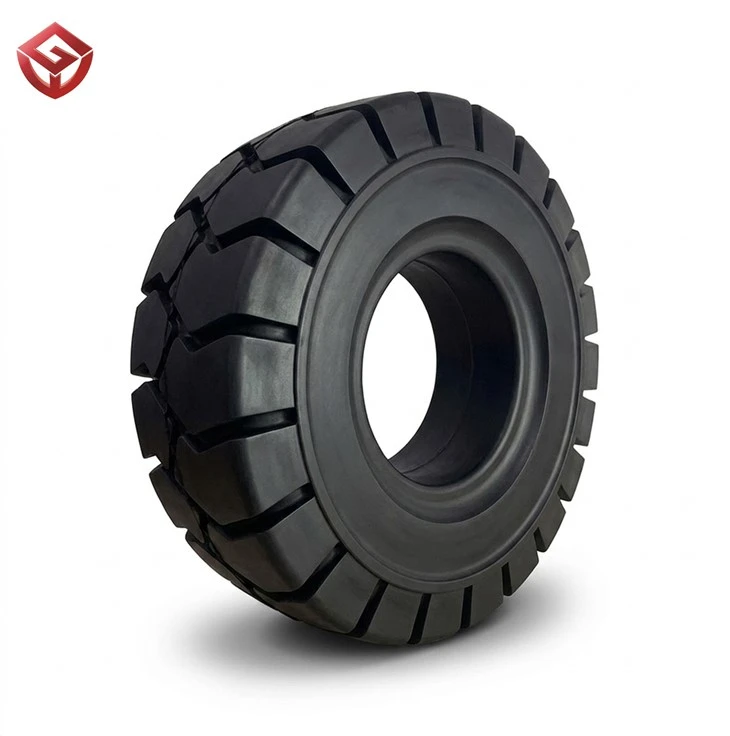
First off, let's talk about what a cushion tire forklift is. It's a type of forklift that uses solid rubber tires. These tires are designed to provide a smooth ride and good traction on flat, hard surfaces like warehouses, factories, and loading docks. They're great for indoor use and for moving loads around on smooth floors. But when it comes to gravel roads, things get a little more complicated.
One of the main issues with using a cushion tire forklift on gravel is the traction. Gravel is a loose, uneven surface, and the smooth rubber tires of a cushion tire forklift can struggle to grip it properly. This can lead to a loss of traction, especially when trying to accelerate, decelerate, or turn. You might find your forklift slipping and sliding all over the place, which is not only dangerous but can also make it difficult to control the load.
Another problem is the wear and tear on the tires. Gravel is abrasive, and the constant rubbing against the solid rubber tires can cause them to wear down quickly. Over time, this can lead to flat spots, cracks, and other damage that can compromise the safety and performance of the forklift. You'll end up having to replace the tires more frequently, which can add to the overall cost of using a cushion tire forklift on gravel.
However, that doesn't mean it's impossible to use a cushion tire forklift on gravel. There are some situations where it might be feasible, depending on the specific conditions of the road construction site. For example, if the gravel is relatively compact and well - maintained, the forklift might be able to get by with reduced efficiency. Also, if the loads are not too heavy and the distances are short, a cushion tire forklift could potentially be used.
If you do decide to use a cushion tire forklift on gravel, there are some things you can do to improve its performance. One option is to use forklift tires that are more suitable for the gravel surface. For instance, 7.00 12 Solid Forklift Tires are designed to offer better traction on rough terrains. These tires have a more aggressive tread pattern that can dig into the gravel and provide better grip.
Another option is Solid Forklift Wheels. These wheels are built to be more durable and resistant to the abrasion of gravel. They can help extend the lifespan of the tires and reduce the risk of damage caused by the rough surface.
18x7 8 Solid Forklift Tire is also a great choice. It has a larger size and a stronger construction, which can handle the challenges of gravel roads better. The increased surface area of the tire can distribute the weight of the forklift and the load more evenly, reducing the pressure on the tires and improving traction.
6.50 10 Solid Forklift Tire is another alternative. It's a popular size for forklifts and is known for its good balance of performance and durability on various surfaces, including gravel.
And of course, Solid Rubber Forklift Tires in general are designed to be tough and long - lasting. They can withstand the rigors of gravel road construction better than standard cushion tires.
When using a cushion tire forklift on gravel, it's also important to take some safety precautions. Make sure the forklift is properly maintained and inspected regularly. Check the tires for signs of wear and damage before each use. Drive slowly and carefully, especially when turning or going up and down slopes. And always follow the manufacturer's guidelines for operating the forklift on different surfaces.
In addition to the tire issues, there are other factors to consider when using a cushion tire forklift on gravel road construction. The forklift's stability can be affected by the uneven surface. Gravel roads can have bumps, ruts, and holes that can cause the forklift to tip over if not driven carefully. You need to be extra cautious when lifting and moving loads to ensure the forklift remains balanced.
The visibility can also be a problem. Gravel roads can kick up a lot of dust, which can reduce your visibility while operating the forklift. This can make it difficult to see other vehicles, workers, or obstacles on the site. You might need to use additional safety equipment like dust masks and goggles to protect yourself and improve your visibility.
In conclusion, while a cushion tire forklift can be used on gravel road construction in some situations, it's not without its challenges. The traction, tire wear, stability, and visibility issues all need to be carefully considered. But with the right tires, proper maintenance, and safety precautions, it is possible to use a cushion tire forklift effectively on gravel.
If you're in the market for forklift tires that can handle gravel surfaces, we're here to help. We're a supplier of high - quality forklift tires and wheels, including all the products I mentioned above. Whether you need 7.00 12 Solid Forklift Tires, Solid Forklift Wheels, 18x7 8 Solid Forklift Tire, 6.50 10 Solid Forklift Tire, or Solid Rubber Forklift Tires, we've got you covered.
Contact us today to discuss your specific needs and let's work together to find the best solution for your gravel road construction projects. We're ready to assist you in making the right choice for your forklift and ensuring a safe and efficient operation on gravel surfaces.
References
- Generic forklift operation manuals from major manufacturers
- Industry reports on the performance of forklift tires on different surfaces
